



Kansas City’s sewer network crosses state lines, with Missouri and Kansas utilities managing separate systems that both wrestle with the same aging pipe. KC Water’s long-running Smart Sewer program keeps chipping away at a consent decree that dates back more than a decade, and the work is far from finished.
For engineers and contractors handling sewer rehabilitation across the metro, inflow and infiltration (I&I) has stayed front and center. Recent severe spring storms and flash flooding along Brush Creek and the Blue River have kept pressure on a wastewater collection system built for a much smaller, less paved city.
Combined Sewers Compound a Two-State Problem
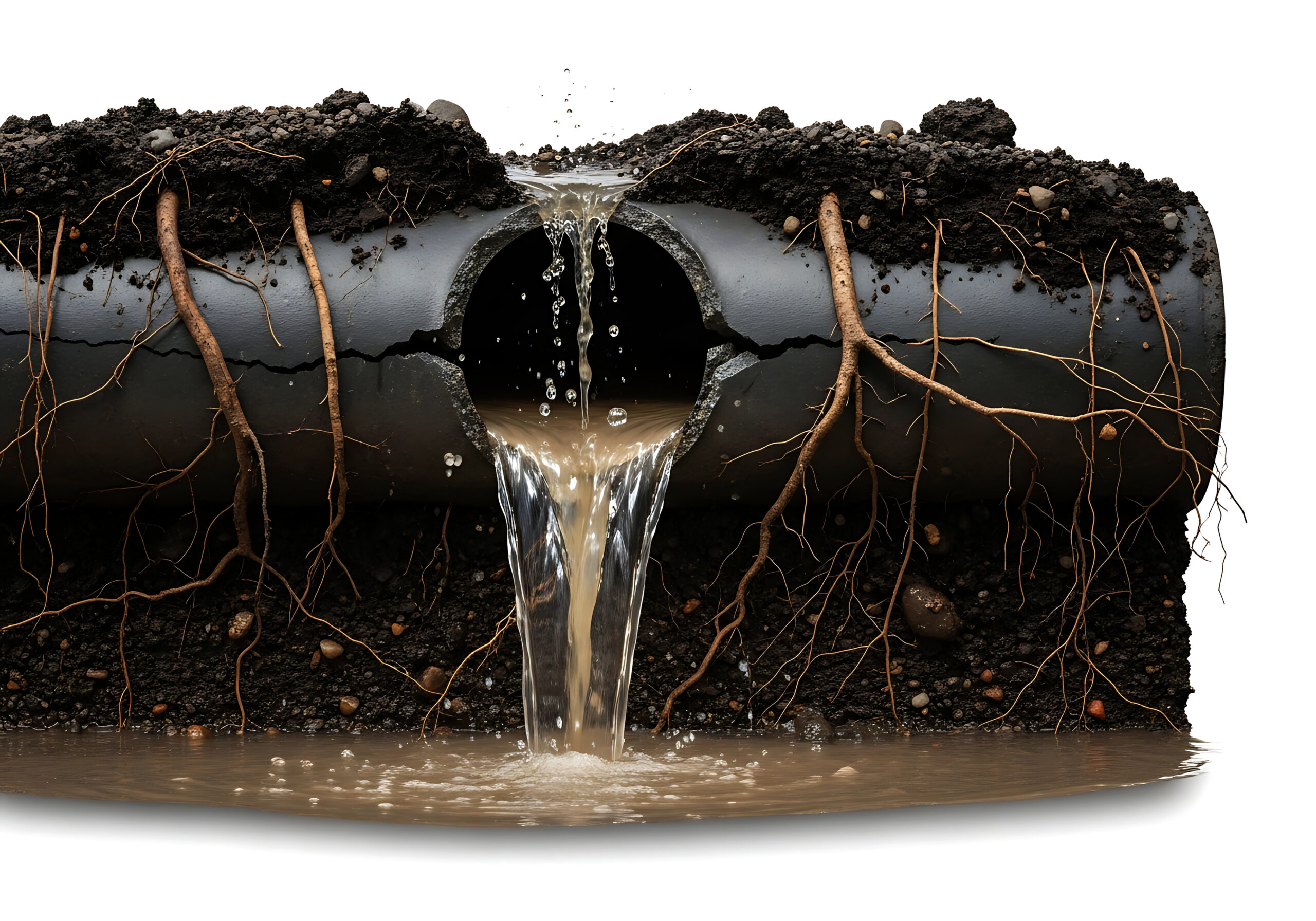
Cracked or broken pipes, leaking pipe joints, and deteriorated manhole walls and joints allow groundwater to seep into the sanitary sewer system. Sewer inflow arrives on a different path entirely, riding in through roof drains, yard drains, and surface connections tied directly into the line.
Where combined sewers still route stormwater and sewage through the same aging pipe, both problems compound quickly. Kansas City’s older core neighborhoods still carry combined sewer infrastructure, and a wastewater collection system already carrying excess flow overflows fast once a spring storm cell drops an inch of rain in twenty minutes.
Why Limestone Complicates the Fix
Kansas City contractors use cured-in-place pipe (CIPP) to renew a deteriorated sewer main without tearing up busy corridors in neighborhoods like Westport and the Northeast, and the trunk line typically comes through structurally sound. What sits beneath it is a different matter.
Parts of the metro sit on limestone bedrock that erodes unevenly underground, creating voids that shift soil support beneath laterals and connections over time. A sewer main lined but infiltration persists is a pattern crews see often here, since limestone erosion keeps working on pipe joints long after the CIPP crew has finished the trunk line.
Common infiltration sources across Kansas City include:
- Deteriorated sewer laterals beneath older Westport and Northeast neighborhoods
- Failed main-to-lateral connections stressed by underground limestone erosion
- Cracked host pipe near creek corridors prone to flash flooding
- Deteriorated manhole walls and joints in combined sewer districts
- Root intrusion in sewer pipes throughout mature residential blocks
Assessing a System Split Across Two States
A single dry-weather walkthrough tells engineers little about a system this varied across two states and multiple soil types. CCTV inspection and flow monitoring for I&I, run together with smoke testing and flow monitoring for source identification, is what actually confirms whether a leak sits at the main, the lateral, the connection, or the structure.
Once confirmed, the rehabilitation plan should match the finding: mainline CIPP for structural trunk-line deterioration, cured-in-place pipe lateral lining for a compromised service line, main-to-lateral connection rehabilitation where limestone erosion has separated a joint, manhole rehabilitation for a structure cracked by shifting subsurface support, and injection grouting for a small, active, localized leak.
Why This Matters for Municipal Sewer Budgets
The cost of pumping and treating unwanted groundwater keeps climbing as KC Water works through its Smart Sewer consent decree obligations, one of the largest active overflow control programs in the Midwest. Sewer overflows during heavy rain carry real regulatory consequences, and excess flow at pump stations and treatment plants strains a system serving both sides of the state line.
Wastewater utility capacity management in Kansas City depends on treating the network as one connected system, not a patchwork split by jurisdiction. Specifying CIPP for municipal sewer projects handles the mainline, but rehabilitating public and private sewer laterals, connections, and manholes alongside it is what actually reduces wet-weather flows across a metro this exposed to combined sewers and unstable subsurface conditions.
Kansas City’s Smart Sewer timeline only holds if every layer of the system gets the same attention. An I&I reduction program for municipalities here has to account for what’s happening underground, not just what’s flowing through the main.
Find a WRT-certified installer serving the Kansas City metro area to assess your collection system’s full scope of I&I sources.